Main Content
Politics vs. Expertise
in the U.N. Climate Negotiations
April 7, 2026
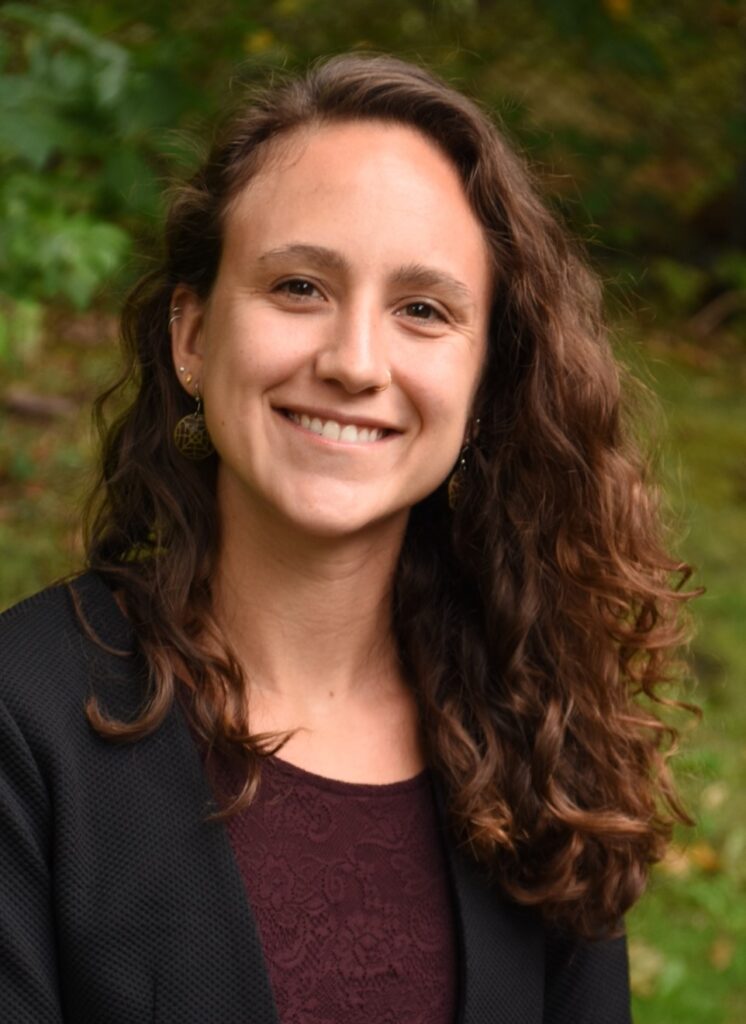
Speaker: Dr. Danielle Falzon, Assistant Professor in the Department of Sociology at Rutgers University
Date: Tuesday, April 7, 2026
Time: 10:20am-11:40am
Location: Rutgers University, Blake Hall, Room 131, 93 Lipman Dr, New Brunswick, NJ 08901
Abstract: At the 30th meeting of the United Nations climate negotiations in November 2025, countries agreed on a list of indicators to measure progress on the “Global Goal on Adaptation” (GGA). However, this list was dramatically different from and, in many ways, worse than the detailed list of 100 indicators produced by a team of selected experts over the course of a two-year work programme that had preceded the meeting. Forty-one indicators had been deleted, details on data availability were removed, and the indicators that remained had been rewritten to such an extent that their meanings were changed, and they were not practically measurable. In this project I ask the question: how did the interplay of politics and expertise produce the “indicators” outcome at COP30? I draw from fieldwork at the UN climate negotiations and GGA workshops, including observations, document analysis and 67 interviews with experts and members of national delegation. I process trace how the indicators were developed by experts while national delegations provided guidance and criticism along the way. Using literature on policy advisory systems and knowledge utilization in policy-making, I explain how discordant efforts by countries to symbolically utilize expert knowledge , a mismatch in expectations between experts and countries about how expert inputs would be utilized, and a lack of brokers to facilitate the process laid the foundations for poor outcomes at COP30. Ultimately, the experts’ inputs were used politically, a strategic, conceptual incorporation of their work that served political goals rather than substantive outcomes.